
The fascinating journey of gambling From ancient rituals to modern casinos
The Origins of Gambling: Ancient Practices
The history of gambling traces back thousands of years, rooted in the ancient rituals of various cultures. Evidence suggests that as early as 3000 BC, the Chinese were using rudimentary forms of gambling involving dice. These games were often tied to religious ceremonies and were used as a means of divination. Similarly, ancient Greeks and Romans engaged in gambling not only as a form of entertainment but also as a way to honor their gods, reflecting the deep connection between chance and fate. Today, many people seek out non gamstop casinos that continue this tradition of chance.

The ancient Egyptians also participated in gambling activities, with games of chance depicted in tomb paintings. These practices demonstrate that gambling has long been a part of human civilization, often serving as a social activity that brought people together. The combination of luck, strategy, and ritual has made gambling an enduring pastime across cultures and eras.
The Evolution of Gambling Through the Ages
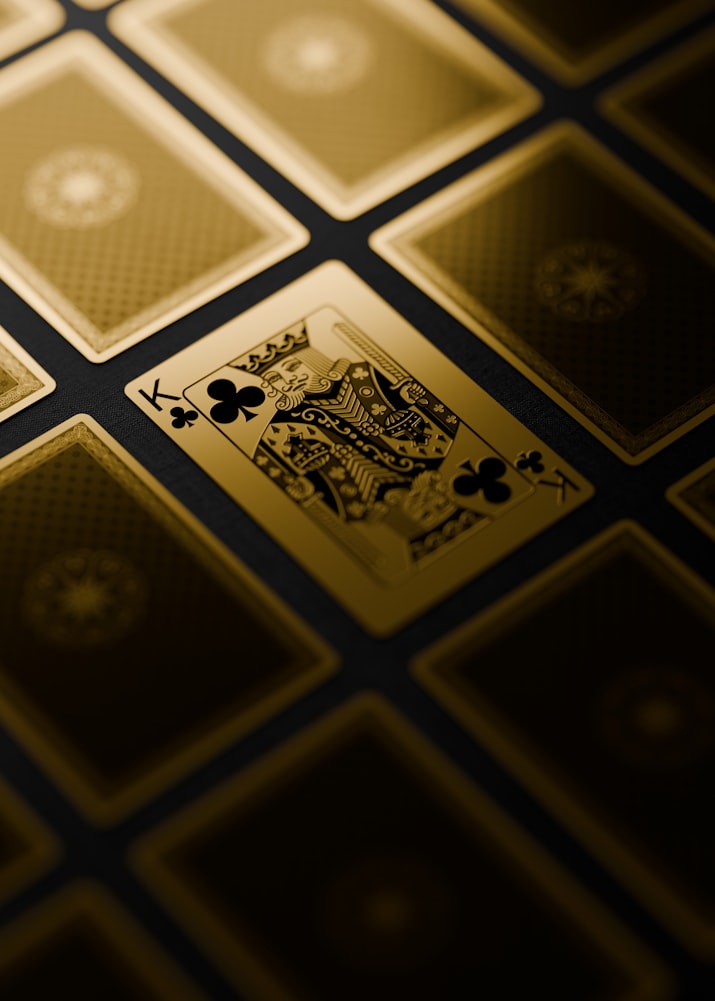
As societies evolved, so did the nature of gambling. The Middle Ages saw the emergence of card games, which gained popularity in Europe during the 14th century. These games marked a significant transition from earlier forms of gambling, introducing strategic elements and skill alongside chance. This era also witnessed the establishment of gambling houses, where individuals could gather to engage in various games of chance.
The Renaissance brought forth a renewed interest in gambling, leading to the creation of more structured games and betting systems. This period saw the rise of gambling regulations and the first official lotteries, which aimed to fund public projects while providing citizens an opportunity to test their luck. Such developments laid the groundwork for the modern gambling landscape, transitioning from informal gatherings to organized gaming establishments.
The Birth of Modern Casinos
The 17th and 18th centuries marked the establishment of the first true casinos, particularly in Italy and France. The Casino di Venezia, founded in 1638, is often regarded as the world’s oldest casino, offering games such as faro and baccarat. As gambling spread across Europe, these establishments became synonymous with luxury and high society, attracting affluent patrons eager to indulge in gaming.
In the United States, the gambling landscape began to transform in the early 19th century with the California Gold Rush. The proliferation of saloons and gaming houses in burgeoning towns provided a new context for gambling. However, it was Las Vegas in the 20th century that revolutionized the casino experience, transforming into a global entertainment hub characterized by extravagant resorts and high-stakes gambling.
The Digital Age: Online Gambling Revolution
The turn of the 21st century ushered in a new era for gambling with the rise of the internet. Online casinos began to emerge, offering players the convenience of gaming from their homes. This digital transformation expanded the reach of gambling, attracting a diverse audience and creating new opportunities for engagement.
Online platforms introduced innovative game formats, live dealer experiences, and mobile applications, allowing users to enjoy gambling on-the-go. Regulatory frameworks also evolved to address the complexities of online gambling, aiming to protect players while fostering responsible gaming practices. This shift has made gambling more accessible, appealing to a wider demographic and reshaping the industry.
Exploring Literary Connections to Gambling
As the gambling landscape has evolved, so has its representation in literature. Authors have often drawn inspiration from the thrill and complexity of gambling, exploring themes of chance, fate, and human psychology. Works that delve into the world of gambling, from classic literature to modern novels, provide rich narratives that reflect societal attitudes towards risk and reward.
Literary connections to gambling also highlight the cultural significance of this pastime, exploring its role as a mirror of human desires and fears. Just as gambling has transformed over the centuries, so too has its portrayal in literature, serving as a fascinating lens through which to examine the human condition.