
The evolution of casinos from ancient games to modern gaming hubs
Origins of Gambling in Ancient Civilizations
The concept of gambling dates back thousands of years, with evidence found in ancient civilizations such as Mesopotamia, Egypt, and China. Early games of chance often involved simple devices like dice, which were made from various materials including bones and ivory. These games were not only a source of entertainment but also played a role in cultural and religious practices, influencing social interactions and rituals. Today, you can find a wide array of options, such as australia’s best online pokies, reflecting this rich heritage.

In ancient China, for instance, the earliest forms of gambling were seen in activities like Keno, which is believed to have originated during the Han Dynasty. Similarly, the Romans incorporated gambling into their social fabric through betting on gladiatorial contests and other public events. This early integration of chance and competition laid the groundwork for the structured gaming environments we see today.
The Rise of Formal Gambling Establishments
The transformation from informal games to organized gambling venues began in the Middle Ages. In Europe, the first gambling houses were established in cities like Venice and Monte Carlo during the Renaissance period. These venues offered various games, including card games and roulette, attracting nobility and wealthy patrons. As these establishments grew in popularity, they became the precursor to the modern casino, introducing elements such as house rules and stakes.
The legal framework surrounding gambling also evolved during this time. Governments began to regulate gaming activities, enforcing licenses and establishing taxes to benefit from the burgeoning industry. This shift not only made gambling more legitimate but also increased its societal acceptance, paving the way for a more structured gaming experience.
The Golden Age of Casinos
The late 19th and early 20th centuries marked the Golden Age of casinos, particularly in places like Las Vegas, Atlantic City, and Monte Carlo. This period saw the advent of lavish resorts that combined gambling with entertainment, dining, and nightlife. Casinos became synonymous with luxury and glamour, attracting visitors from around the globe seeking not just to gamble but to experience a complete entertainment package.
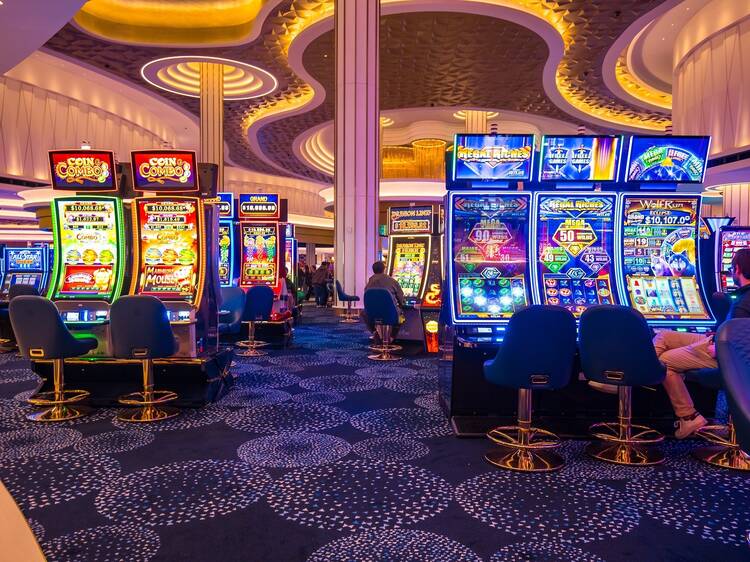
During this time, technological innovations also began to reshape the casino landscape. The introduction of electronic gaming machines in the 1960s revolutionized the industry, offering a new, exciting way to gamble. These machines, coupled with increasingly sophisticated gaming strategies, transformed how people engaged with gambling, making it more accessible to the average person.
Transition to Online Gaming
The arrival of the internet in the late 20th century marked a seismic shift in the gambling industry. Online casinos began to emerge, allowing players to enjoy their favorite games from the comfort of their homes. This accessibility opened up a new market and led to an explosion of online gaming platforms, offering everything from traditional table games to innovative new formats.
With advancements in technology, online casinos have incorporated live dealer games and mobile gaming, creating a seamless experience for users. This transition not only broadened the audience for gambling but also introduced new challenges, such as regulatory issues and responsible gaming practices. As the online landscape continues to evolve, casinos are adapting to meet the demands of a digital-savvy generation.
The Future of Casinos and Online Gaming
The future of casinos is poised to be shaped by ongoing technological advancements and changing consumer preferences. Innovations like virtual reality and blockchain technology could redefine the gaming experience, offering immersive environments and secure transactions. Furthermore, with an increasing emphasis on responsible gaming, operators are incorporating measures to promote safe play, ensuring a positive experience for all users.
As the industry evolves, the integration of social gaming elements and gamification strategies will likely become prevalent, drawing in younger audiences seeking interactive and engaging experiences. Overall, the casino landscape is on a dynamic trajectory, blending traditional gaming with modern technology, paving the way for new forms of entertainment.