
Whoa! That might sound dramatic. But honestly, when I first started testing extension wallets for DeFi I kept running into the same headaches. Small things — confusing permission prompts, transactions that looked fine but did weird internal approvals, and that gut-sinking moment when a dApp asked to spend more than it should. My instinct said something felt off about the default workflows in many wallets. Initially I thought: “It’s just UI.” But then I realized it’s not only UI; it’s trust, and how users are led to accept risky transactions without clear previews or safety nets.
Okay, so check this out—browser extension wallets are convenient. They make interacting with DeFi seamless. Seriously? Yes. Yet convenience is a trade-off with attack surface. On one hand you get instant dApp connectivity. On the other, you expose your signing keys to an always-on environment (the browser). On the one hand that can be fine… though actually, if the extension doesn’t isolate connections or preview transactions, you’re rolling the dice. I’m biased, but I think that design choices matter more than marketing slogans.
A practical look at what matters (and where Rabby fits)
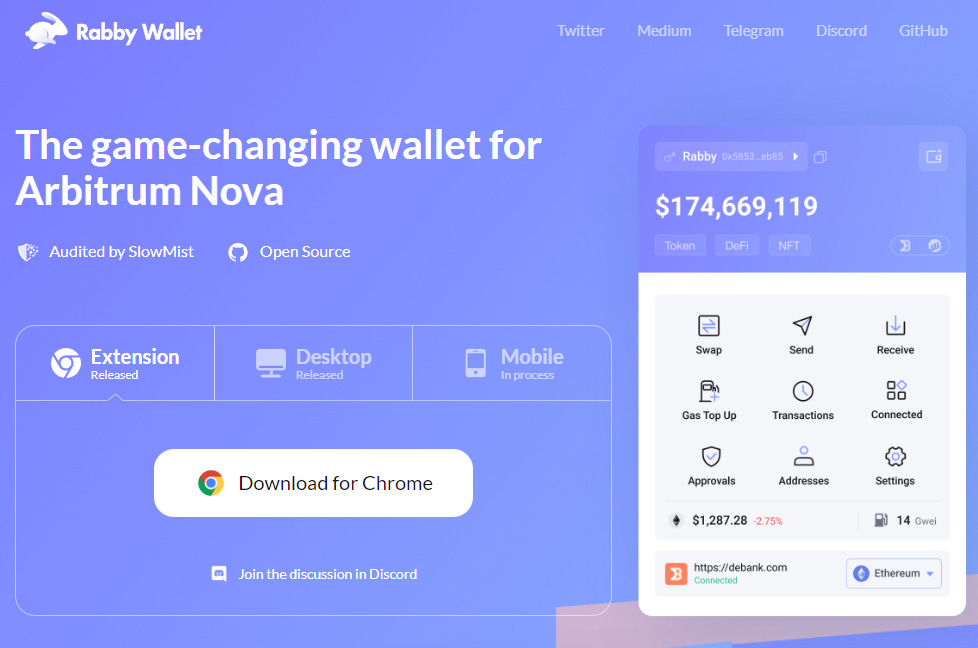
Here’s the thing. When I evaluate an extension wallet I look for three things: clear transaction previews, connection isolation per site, and robust hardware wallet support. Medium-sized features like nonce control and account naming are helpful too, but not dealbreakers. Rabby brings several of these priorities into focus—transaction simulation and clearer approval flows are part of its design philosophy—so if you want to try it, consider this rabby wallet download as a starting point for hands-on testing.
Hmm… some folks will say “every wallet claims security”. True. But the difference is in the ergonomics of safety—how the extension surfaces what’s happening under the hood. My testing pattern was simple: try a token swap, check the approval flow, and attempt a subtle malicious payload (in a sandbox) to see how clearly the wallet warned me. The wallets that failed did so because the warnings were buried in small print or required multiple clicks to reveal the details. Rabby, in my experience, made the transaction flow more explicit (again, user experiences vary).
There’s a balance to strike. You can’t make everything terrifying for the user. People will click through if it’s too noisy. But you also can’t be lax. My approach was iterative. Initially I thought that a single confirmation screen would suffice, but then realized users miss context unless the wallet provides layered info: simple summary first, then an expandable technical view for power users.
Small tangent—(oh, and by the way…) I use a hardware wallet for life savings and an extension wallet for day-to-day trades. It’s a little like carrying a debit card in your wallet while your savings account sits in a bank you rarely visit. Different tools, different threat models. Somethin’ like that.
Practical security habits for extension wallets
Short checklist first. Don’t connect every dApp. Limit approvals. Use hardware signatures for large sums. Periodically remove unused accounts. Regularly update the extension. Easy enough, but people forget. Double-check the domain when approving — scammers clone UI, not domains. Really? Yes. Developers and attackers both prefer familiar layouts, so domain vigilance is low-effort and high-impact.
On a deeper level, consider these behaviors: separate accounts by risk (one for bridging, one for NFT browsing, one for yield farming), prefer wallets that show the exact contract call, and look for transaction simulation features that estimate slippage, tokens out, and potential token approvals. Initially I thought users couldn’t handle contract-level detail, but actually many power users appreciate layered info: a clear headline with the ability to dig down.
Also, keep your recovery phrase offline. That one’s basic but very very important. If your extension supports hardware-backed accounts, use them for large-value operations. I know people who keep tiny balances in an extension for gas and small trades while the bulk stays with a Ledger or similar. It’s not glamorous, but it’s practical and it works.
Something that bugs me: auto-approvals on token contracts. Why are those defaults still a thing? Seriously. Approve once for infinite spend and suddenly a malicious contract can siphon tokens. Wallets that make it obvious when you’re granting infinite allowance are doing users a real favor.
How Rabby approaches these issues (practical observations)
When I walked through Rabby’s flows, a few design choices stood out. The UI tends to separate connection permissions from transaction approvals, which reduces accidental confirmations when a dApp first connects. It also emphasizes a transaction preview, showing what will move and which contract is being called. Initially I thought this was only marginally helpful, but then during a simulated malicious approval the extra layer of detail prevented a careless click. Actually, wait—let me rephrase that: the wallet made the risky call visible enough that I could stop and question it. That matters.
One more thing: support for hardware devices. If Rabby integrates with Ledger or similar devices (as many modern wallets do), you get a stronger signing posture. My testing includes hardware workflows; sometimes the UX is clunky. (This part still needs polish across the board.) I’m not 100% sure that every feature will match every user’s expectations, but the direction is right.
There are trade-offs. Extra warnings can lead to warning fatigue. Too much technical detail can overwhelm beginners. So, the best tools offer adjustable depth—brief summaries for novices and full call-data for power users. In my view, Rabby aims for that spectrum, though no wallet is perfect.
When to choose an extension wallet vs. a hardware-only strategy
Short answer: use both. Extensions for convenience and small-value ops. Hardware for custody and high-value transactions. If you do a lot of DeFi, separate tasks across accounts and always prefer hardware confirmations for transfers above a threshold you set. My rule of thumb: anything that would hurt you financially for the next six months goes to cold storage.
On balance, tools like Rabby make it easier to do the right thing without training wheels. They surface risk. They encourage safer habits. Still, they don’t replace good practices: keep backups, verify domains, and never share your seed phrase. If you’re experimenting, set up a small, funded account and test in a real environment before moving larger positions. I’m biased, but pilots are the best teachers.
FAQ — quick answers
Is a browser extension wallet secure enough for DeFi?
It depends. For daily interactions and small balances, yes, if you follow safe habits. For large holdings, combine extension convenience with hardware-backed signing or move funds to cold storage. Threat models vary; adapt accordingly.
How do I safely install an extension wallet?
Download only from official sources or verified store listings. Verify the extension developer name, read recent reviews, and check permissions before installing. If you want to try Rabby, this link can help with a direct start: rabby wallet download.
What if I accidentally approved a malicious transaction?
Act fast. Try to revoke approvals where possible (some tools let you revoke token allowances), move remaining funds if safe, and if you used a hardware wallet then the attack surface may be limited. Report on forums; community help helps. I’m not a lawyer, but documenting steps can aid recovery efforts.